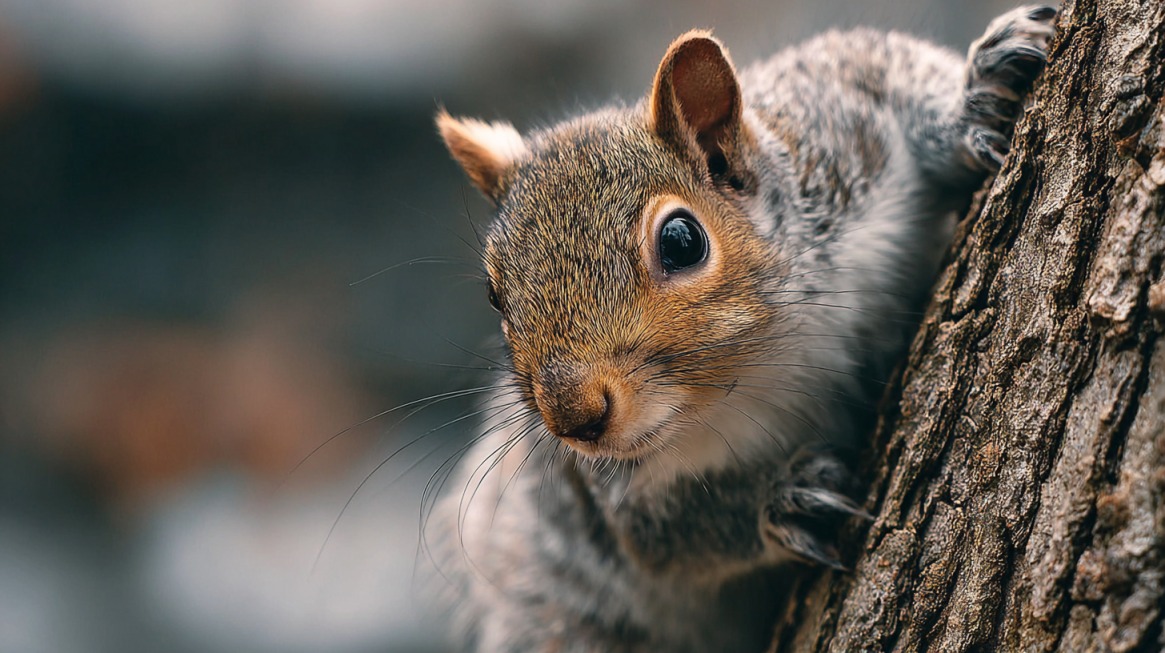
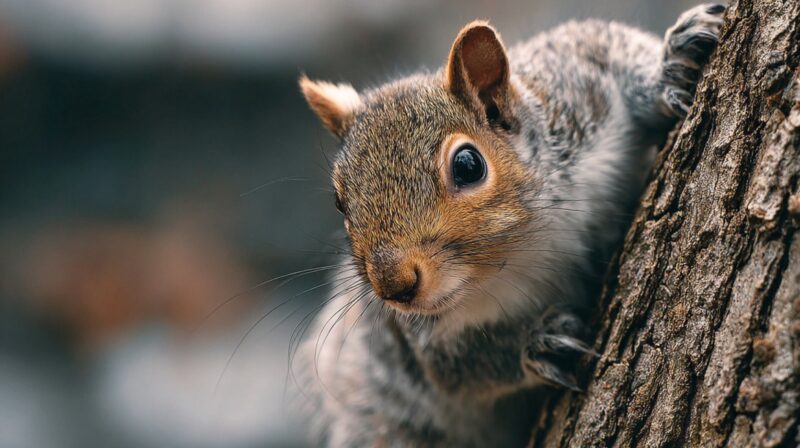
Squirrels bring fun, quick movement, and plenty of interest to a yard. Feeding them can make visits calmer and easier to enjoy.
Simple food choices and safe habits help keep them healthy without creating problems around your home.
Local rules should always be checked first, since some places limit feeding.
A careful approach lets people enjoy squirrels while keeping both animals and humans safe. Let’s see how it can be done.
What are the Best Foods to Feed Squirrels?
| Category | Main Foods | Why It Helps |
|---|---|---|
| Nuts in Shells | Walnuts, hazelnuts, almonds, pecans, hickory nuts, beech nuts, acorns | Supports dental wear and gives strong energy |
| Vegetables | Carrots, peas, green beans, spinach, broccoli, squash, zucchini | Adds vitamins, moisture, and natural foraging activity |
| Fruits | Apples, strawberries, blueberries, grapes, cantaloupe, watermelon | Adds flavor and hydration in small servings |
| Seeds | Pumpkin seeds, sunflower seeds | Gives quick calories and healthy fats in limited amounts |
| Squirrel Mixes | Nuts, dried vegetables, fortified pieces, pellets | Provides a balanced variety in one simple option |
Nutritious choices play a major role in helping squirrels stay active, develop properly, and maintain good health in every season.
Balanced feeding encourages natural behaviors such as foraging, climbing, and storing food, which keeps both mind and body engaged.
A wide range of foods can support these needs, and each group offers its own set of advantages.
Categories outlined below go into greater depth, with some sections beginning with a brief note signaling that a set of listed items will follow.
Nuts in Shells
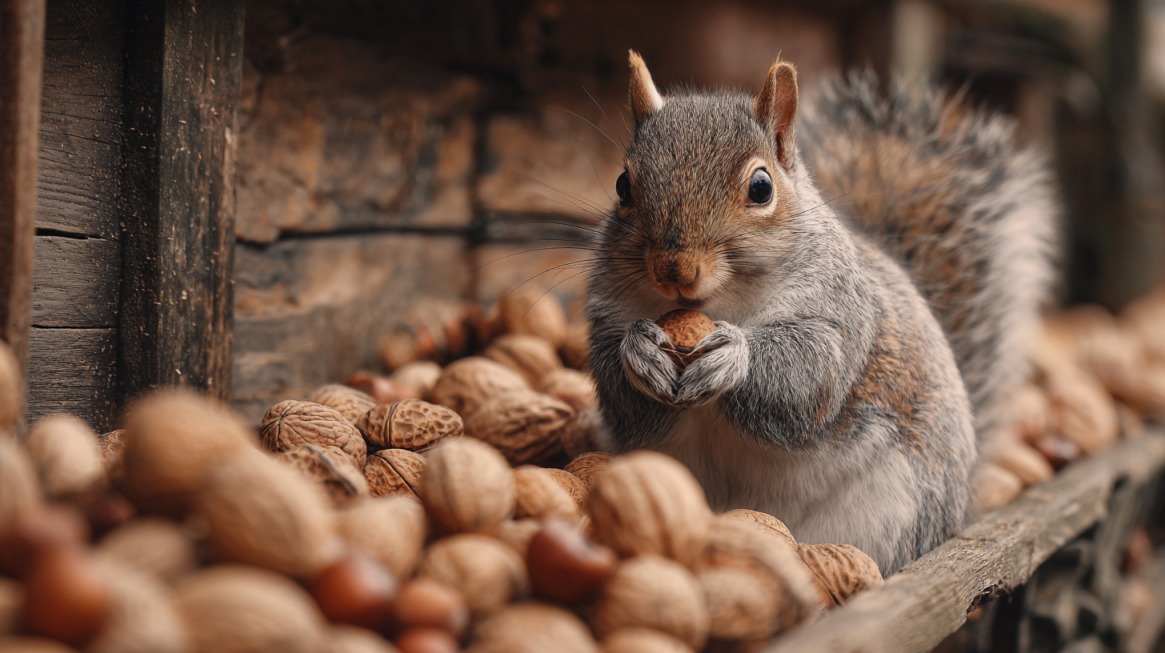
Squirrels depend on firm foods that keep their teeth properly worn down. Shell-on nuts demand effort, which helps maintain good dental condition while delivering dense energy and protein.
- Walnuts
- Hazelnuts
- Almonds
- Pecans
- Hickory nuts
- Beech nuts
Acorns add seasonal interest and fit naturally into a squirrel’s diet. White oak types remain preferred due to lower tannin content, which makes digestion easier.
Extra detail strengthens this category further. Shell-on nuts encourage problem-solving as:
- Squirrels sort
- Stash
- Crack them open
These activities mimic what happens in wooded areas and help keep natural instincts sharp.
Vegetables
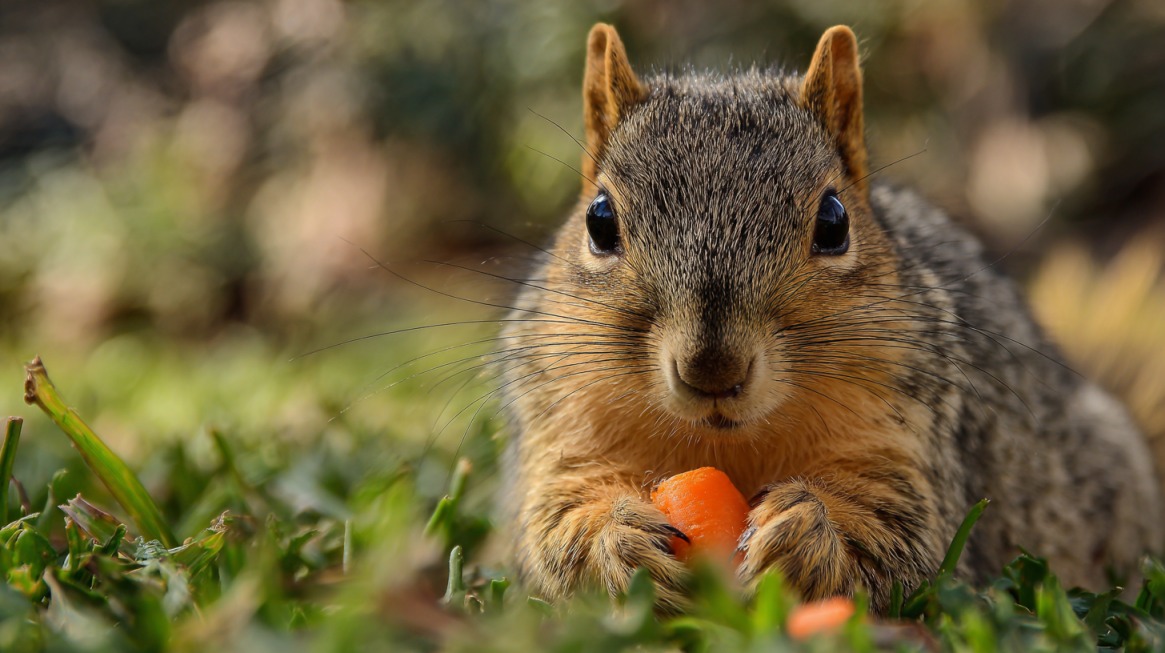
Plenty of vegetables offer hydration, fiber, and vitamins that support long-term health.
- Carrots
- Peas
- Green beans
- Spinach
- Broccoli
- Squash
- Zucchini
Fresh pieces invite natural foraging movements such as nibbling, sorting, and scent checking.
Variety also helps prevent excessive dependence on nuts, which can create a nutritional imbalance when offered alone.
Extra explanation helps round out this section. Vegetables supply moisture that supports digestion, especially for squirrels living in warmer climates.
Crunchy textures also provide entertainment and mental stimulation.
Fruits
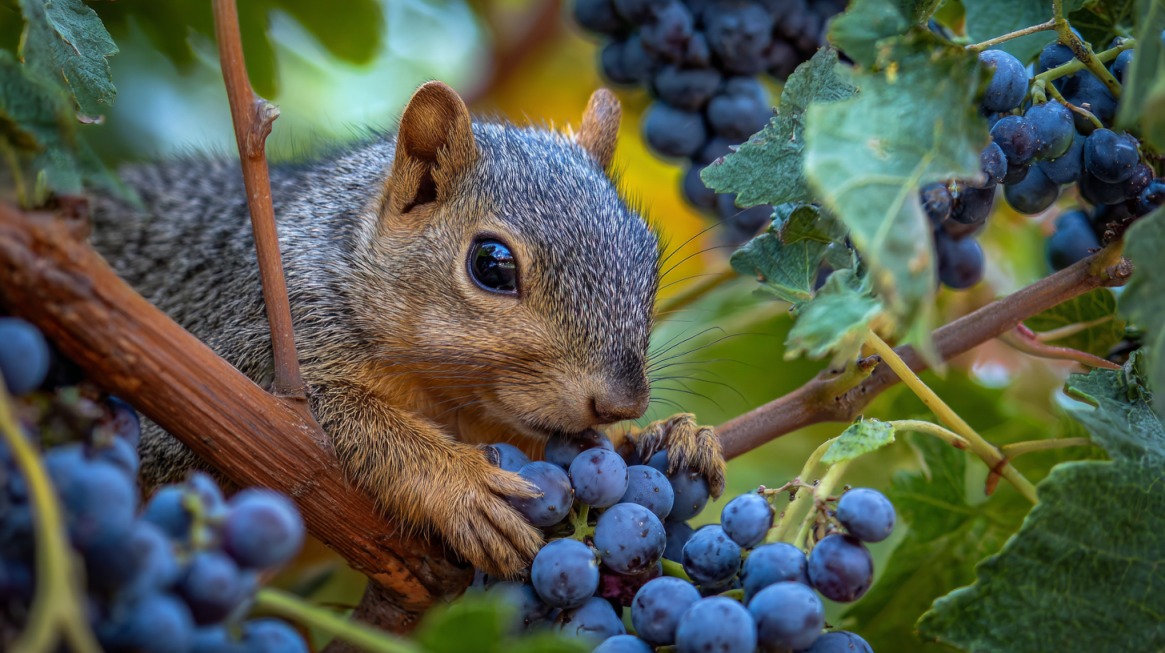
Sweet produce should remain controlled due to sugar content, yet small servings add flavor, scent interest, and hydration.
- Apples
- Strawberries
- Blueberries
- Grapes
- Cantaloupe
- Watermelon
Small servings keep sugar levels manageable while still enriching mealtime. Fruit slices bring bright aromas that motivate curious behavior without creating habits centered on sweetness.
Expanded context strengthens this section. Fruits work best when cut into small pieces, which makes portions easy to manage and reduces waste.
Limited use encourages balanced eating and avoids digestive problems.
Seeds
Seeds can play a supporting role when used with care.
Pumpkin seeds supply healthy fats that help squirrels stay warm in colder seasons. Sunflower seeds deliver quick calories but should remain occasional to avoid nutritional imbalance.
Extra information broadens this part. Seeds often attract attention quickly, so small servings placed inside feeders or scattered lightly across a safe space can keep squirrels active without encouraging overeating.
Squirrel Mixes
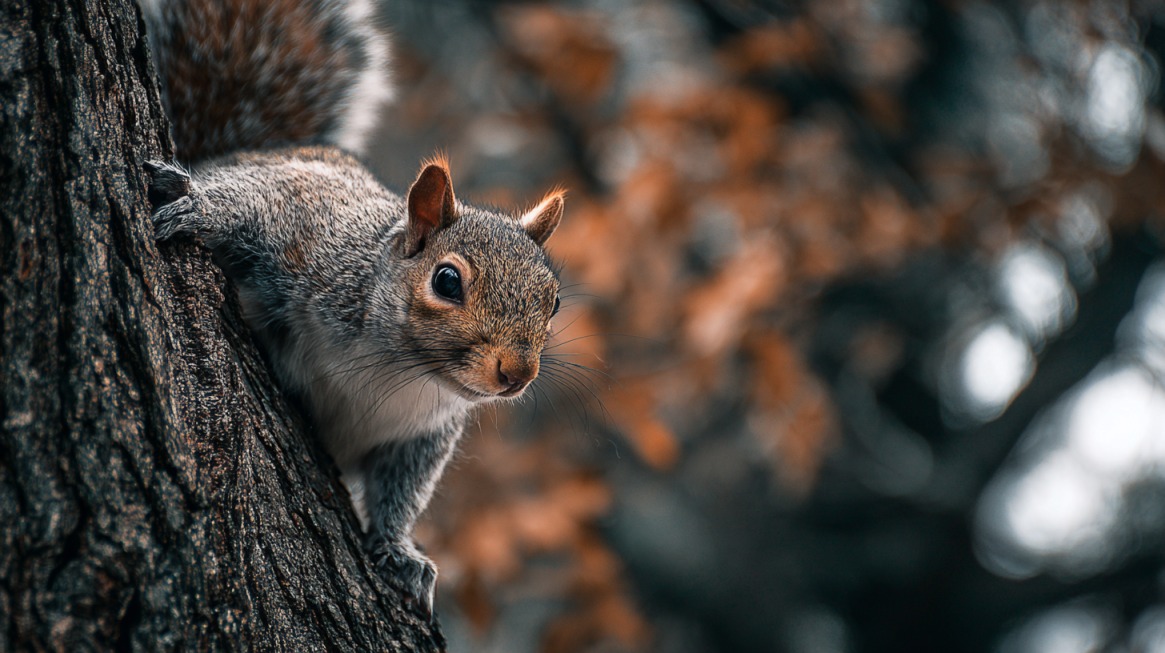
Commercial mixes provide simple variety and convenience. Many blends include fortified pieces created to support overall health. These mixes help prevent squirrels from focusing on a single food source.
A bit more detail clarifies their value. Mixes often contain dried vegetables, nuts, and specialty pellets that add minerals absent in natural forage. Frequent rotation maintains interest and reduces boredom.
Fun Treat
A treat can lift activity and create a fun occasional moment. Dried banana chips offer crunch, scent, and a hint of sweetness. Occasional servings keep enrichment high without creating cravings for sugary snacks.
Extra elaboration: Treats work best when given sparingly, since squirrels can form strong preferences. Occasional placement near a log, rock, or branch encourages climbing and exploring behaviors.
Calcium Support
Strong skeletal structure depends on consistent calcium access. Items that help maintain proper mineral balance appear below:
- Deer antlers
- Animal bones
Chewing on these items reduces the risk of Metabolic Bone Disease, especially for growing squirrels, pregnant squirrels, or nursing mothers. Natural chewing movements also reduce stress and keep teeth active.
Additional context deepens this section. Calcium sources should stay clean and dry, since moisture can affect texture and safety. Rotating pieces helps maintain interest and encourages regular chewing.
Water Needs
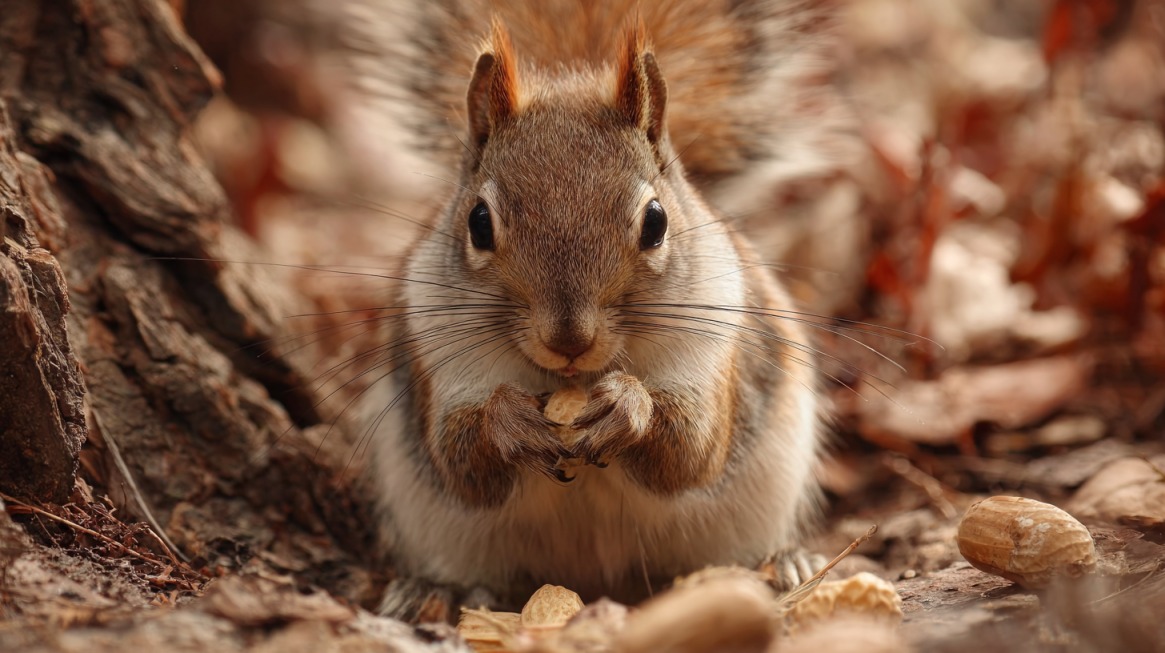
Clean hydration supports every part of a squirrel’s routine. Heat, pregnancy, and lactation increase water needs significantly. Several reliable sources appear below:
- Water dishes
- Birdbaths
Feeders equipped with small water containers
Cold air often leads to fast freezing of outdoor water. Heated birdbaths help maintain liquid water during winter, allowing squirrels to stay hydrated when snow or ice covers natural sources.
Extra detail gives this section more strength. Water should stay refreshed often to prevent debris buildup. Shallow dishes reduce risk of tipping and make drinking easier for young squirrels.
Foods to Avoid
Many items may seem harmless but can cause health problems or create long-term issues for squirrels. Careful feeding helps prevent digestive trouble, toxic exposure, and nutritional imbalance.
- Raw peanuts
- Sweetened nuts
- Salted nuts
- Human snack foods such as:
- Chips
- Candy
- Chocolate
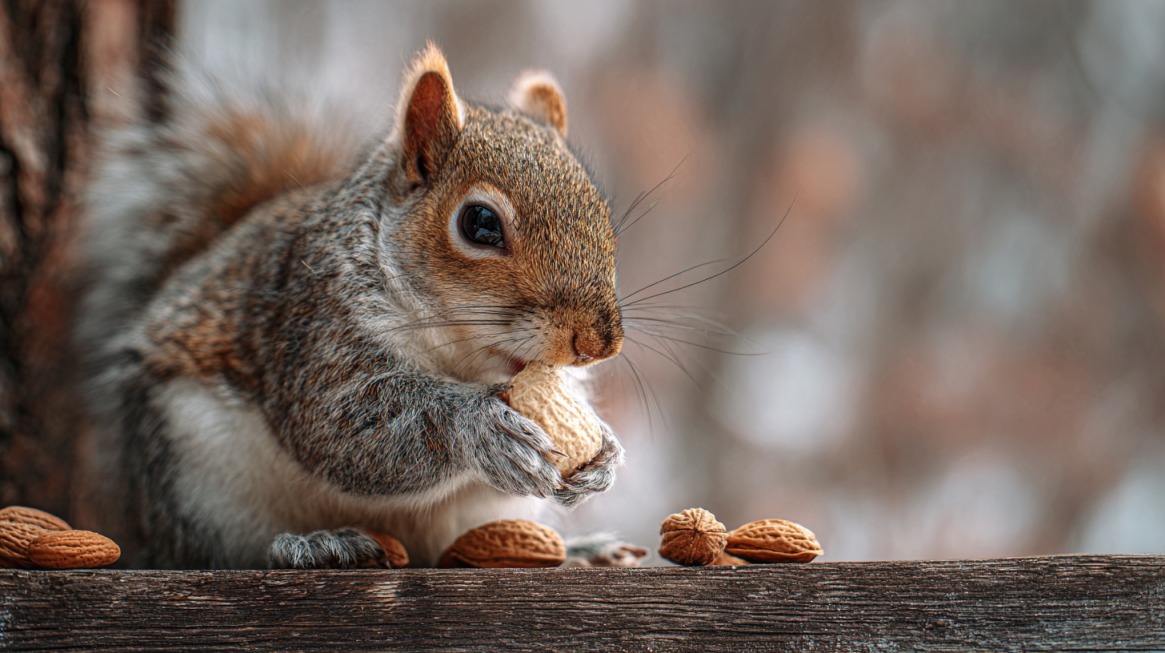
Raw peanuts often contain mold that produces toxins capable of harming liver function. Chocolates found in snack foods contain compounds that squirrels cannot process, which makes even small amounts dangerous.
Bread may seem gentle and easy to offer, yet its low nutrient value provides very little benefit. Frequent feeding of bread can also fill a squirrel’s stomach without delivering vitamins or minerals needed for growth or energy.
Corn requires extra care because stored kernels tend to grow mold quickly. Limited amounts may be acceptable, yet only when fresh and dry. Larger servings raise the risk of fungal exposure, which can lead to illness.
A few specialty nuts carry additional risks. Red-dyed pistachios may contain artificial coloring or residue that is not suitable for animal consumption. Squirrels may accept them out of curiosity, yet consistent use can introduce unnecessary compounds into their diet.
Certain seeds cause little interest and should not receive priority. Niger and nyjer seeds rarely attract squirrels, often resulting in scattered waste around feeders instead of meaningful nourishment.
Seasoned foods deserve strong caution as well. Items flavored with spicy ingredients, onion, or garlic can irritate the digestive system and create discomfort. Even small amounts may produce reactions that disrupt normal eating patterns.
Fun fact: The population of Mount Graham red squirrels jumped nearly 60 % in 2024, up to about 233 after just 144 the previous year.
Feeding Tips and Best Practices
Effective feeding habits create a safer and more enjoyable experience for both squirrels and people. Good planning reduces competition with birds, limits mess, and encourages natural behavior.
Dedicated squirrel feeders reduce pressure on bird feeding stations and keep yard activity organized.
- Mesh feeders
- Hopper feeders
- Small seed tables
Each style offers space for different foods and creates an easy approach route for squirrels. Mesh feeders work well for nuts, hopper styles hold mixed items, and seed tables provide open access with minimal crowding.
Feeding times matter too. Early morning meals or evening offerings match natural routines, since squirrels stay most active during daylight hours. Regular scheduling helps them adjust without forming strong dependence on constant human presence.
Sensible placement improves safety and keeps neighbors comfortable. A feeder set away from property lines prevents unwanted visits to nearby yards, especially when squirrels begin caching food.
Areas near trees or thick shrubs supply shelter, offering quick escape routes from predators and providing a sense of security while eating.
Hand-feeding may feel tempting, yet avoiding it protects both humans and animals. Loss of caution can lead to bold attempts to enter homes, take food directly from hands, or challenge people when food is absent.
Keeping a respectful distance maintains natural boundaries.
Portion control also matters. Rotating foods supports balanced nutrition, and modest quantities stop squirrels from abandoning natural foraging habits. Careful storage prevents accidental damage to homes.
Squirrels can chew through plastic containers with ease, so sturdy bins or metal containers work far better for holding nuts and seeds.
Benefits and Challenges
Feeding practices create many enjoyable moments, yet they also require responsibility. A balanced view helps guide healthy decisions.
| Benefits | Challenges |
|---|---|
| Relaxing entertainment through daily activity | Dependency caused by oversized servings |
| Great photography opportunities | Damage to structures when squirrels grow overly comfortable |
| Seasonal support during colder months or scarce food periods | Possible frustration for bird enthusiasts or neighbors |
| Increased wildlife presence and added movement in a yard | Growth of mold on forgotten food requiring quick removal |
| Encourages observation and learning for children and adults |
Final Thoughts
A well-fed squirrel often behaves with greater calm and shows less interest in damaging yards or structures. Proper nutrition supports steady energy, sharper instincts, and fewer conflicts with nearby bird feeders.
Balanced meals also help squirrels move through seasonal changes with fewer struggles.
Varied, safe foods combined with fresh water promote strong health and natural activity. Clean hydration supports digestion, temperature control, and overall vitality. Foods chosen with care help prevent nutritional gaps and reduce habits that stem from hunger or stress.