
Prebiotics are non-digestible carbohydrates that pass through the small intestine intact and reach the colon, where beneficial bacteria ferment them.
Scientific definitions describe prebiotics as substrates selectively utilized by host microorganisms that provide measurable health benefits.
Because digestive enzymes do not break them down, prebiotics become available to specific bacteria in the colon.
Beneficial microbes use them to grow and carry out essential metabolic functions that support digestive balance and overall wellness.
With that in mind, we want to talk about prebiotics for dogs in greater detail.
The Canine Gut Microbiome is a Complex System
A dog’s digestive tract functions as more than a simple food processing tube.
Inside the gastrointestinal tract lives a dense population of microorganisms that interact constantly with each other and with the body.
Balance among these microbes plays a central role in digestive efficiency and overall health.
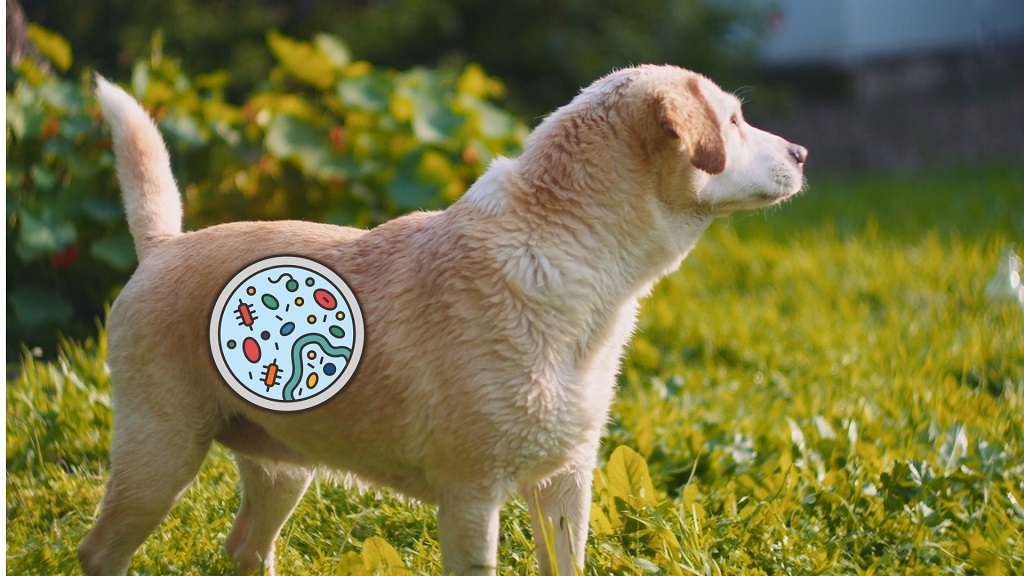
A dog’s gastrointestinal tract contains trillions of microorganisms collectively known as the microbiome. Bacteria, fungi, and other microbes form a dynamic internal ecosystem that influences several core processes:
- Digestion of dietary components that the dog’s own enzymes cannot fully break down
- Absorption and metabolism of nutrients
- Immune defense within the intestinal lining
- Communication between the gut and distant organs through gut organ axes
Gut organ axes describe signaling pathways that connect the digestive system with areas such as the brain, liver, skin, and joints.
Gut activity can influence inflammatory tone, metabolic balance, and even behavior through biochemical signaling molecules.
Beneficial bacteria contribute to vitamin and mineral synthesis and help defend against harmful pathogens by competing for space and nutrients.
Competition limits the ability of undesirable microbes to colonize and multiply. Balanced microbial populations support efficient digestion and strengthen natural protective barriers within the intestinal lining.
Strong intestinal barriers help regulate what enters the bloodstream and maintain controlled immune activity.
How Prebiotics Strengthen Digestive Function and Immunity
Digestive health and immune regulation are closely connected. Prebiotics influence both by shaping microbial fermentation patterns and supporting the production of beneficial metabolites.
Fueling Beneficial Bacteria and Enhancing Fermentation
Selective nourishment of bacterial groups such as bifidobacteria and lactobacilli promotes microbial balance.
Fermentation produces short-chain fatty acids, including butyrate, acetate, and propionate.
Short-chain fatty acids provide measurable physiological effects:
- Butyrate supports intestinal barrier integrity by fueling colon cells
- Acetate and propionate participate in metabolic signaling
- All three contribute to the regulation of local immune responses
Stronger barrier function reduces the likelihood of unwanted substances crossing into the bloodstream and supports controlled immune responses within the gut.
Stable fermentation patterns also help regulate pH levels in the colon, creating an environment less favorable to certain pathogens.
Supporting Digestive Regularity and Stool Quality
Improved microbial fermentation can help regulate stool consistency.
Balanced bacterial activity contributes to a more complete breakdown of dietary components and improved water balance in the colon.
Changes commonly observed with healthy fermentation include:
- Firmer, well formed stools
- More consistent bowel movement frequency
- Reduced excess gas in some dogs
Firmer stools often indicate that fermentation and fluid absorption in the large intestine are functioning efficiently.
Gradual introduction of prebiotics helps minimize temporary gas or mild bloating as microbial populations adjust.
Immune System Benefits Through Gut Health
Intestinal tissues house a large concentration of immune cells.
Constant interaction occurs between microbes and immune structures within the gut lining.
Balanced gut bacteria help regulate immune signaling and promote appropriate responses to potential threats.
Healthy microbial populations assist in maintaining immune tolerance while also supporting defense against pathogens.
Controlled immune activity reduces the risk of excessive inflammatory responses that may affect other tissues.
Whole Body Impact via Gut Organ Axes

Research suggests that prebiotic influenced microbial activity can affect several body systems.
Gut organ axes describe communication pathways linking the digestive system to distant organs.
Potential areas influenced by gut microbiome activity include:
- Skin condition and inflammatory balance
- Brain function and behavioral signaling
- Joint comfort through modulation of inflammatory pathways
- Metabolic regulation and energy use
Microbiome activity can affect inflammatory markers and metabolic processes, which may contribute to broader health effects throughout the body.
Natural Prebiotic Foods You Can Add to Your Dog’s Diet
Dietary choices strongly influence microbial composition. Certain plant-based ingredients contain fibers that function as natural prebiotics.
Many dog owners also choose targeted fiber supplements to support digestive health and regular stool quality. One well-reviewed option is the best psyllium husk for dogs, a 100% all-natural psyllium fiber supplement that promotes regularity and gut wellness.
High Fiber Plant Foods

Sweet potatoes, pumpkin, peas, beans, and carrots contain fermentable fibers that reach the colon intact. Bacteria use these fibers as fuel, supporting microbial growth and digestive health.
Benefits associated with these foods include:
- Provision of fermentable substrates for beneficial bacteria
- Contribution to stool bulk and regularity
- Support of gradual fermentation when properly prepared
Cooked and properly prepared vegetables are generally easier for dogs to digest and can be added in moderate amounts to a complete diet.
Prebiotic Rich Fruits
Bananas contain resistant starch and fermentable fibers that support beneficial bacteria. Small portions of dog safe fruits can contribute additional prebiotic compounds.
Important considerations include:
- Natural sugar content requires portion control
- Introduction should be gradual to monitor tolerance
Moderation helps maintain digestive balance while still providing fermentable substrates.
Grains and Other Fiber Sources
View this post on Instagram
Oats and certain fiber rich grains contain carbohydrates that function as prebiotic substrates.
These ingredients may appear in balanced commercial diets or be added in controlled amounts under veterinary guidance.
Gradual dietary adjustments help reduce the likelihood of digestive upset during introduction of new fiber sources.
Balanced Whole Food Integration
Whole food additions should complement a nutritionally complete diet. Careful portion control prevents digestive upset while supporting a healthy microbiome over time.
Long term consistency in feeding patterns promotes stable microbial populations.
Key Types of Prebiotics and How They Work
Different prebiotic compounds vary in structure, fermentation speed, and location of activity within the colon. Selecting appropriate types can shape microbial outcomes.
Common Prebiotic Classes
Fructooligosaccharides or FOS consist of short-chain carbohydrates that ferment quickly. Rapid fermentation supports the growth of bifidobacteria and can lower colonic pH, which may discourage certain harmful bacteria.
Inulin is a longer-chain fructan often considered a gold standard prebiotic. Slower fermentation supports sustained production of short-chain fatty acids over a longer portion of the colon.
Mannanoligosaccharides or MOS provide dual functionality that can be described as follows:
- Nourishment of beneficial bacteria
- Binding of certain pathogenic bacteria limits their attachment to the intestinal wall
Beta-glucans and pectins provide additional fermentable substrates. Inclusion of these fibers contributes to broader support of gut microbial balance and encourages activity among different bacterial groups.
Why Multiple Prebiotic Types Matter
Different prebiotics ferment in various sections of the digestive tract. Short-chain compounds may act earlier in the colon, while longer-chain fibers extend fermentation into more distal regions.
Combining multiple types can:
- Support activity across a wider portion of the colon
- Encourage growth of several beneficial bacterial groups
- Promote steady production of short chain fatty acids over time
Varied fermentation patterns help maintain microbial balance and support consistent metabolic outcomes.
Choosing the Right Prebiotic Supplement
Supplemental prebiotics can offer targeted support when dietary sources alone are insufficient.
Selection should focus on ingredient clarity and appropriate dosing.
When Supplements Can Be Helpful
Digestive transitions, environmental stress, dietary changes, and recovery after antibiotic therapy can disrupt gut bacteria.
Prebiotic supplements help nourish beneficial microbes during these periods.
Situations that may justify added support include:
- Recent antibiotic use
- Sudden diet changes
- Mild digestive sensitivity
- Periods of stress such as travel or boarding
Dogs with sensitive digestion may also benefit from targeted prebiotic support under professional supervision.
Popular Supplement Forms
Prebiotic products come in powders, chewable tablets, and functional treats. Many formulations contain inulin, FOS, MOS, or combinations of these compounds.
Powders allow flexible dosing adjustments, while chews and treats may improve compliance in dogs that resist loose supplements.
Consistent dosing supports stable microbial fermentation and predictable digestive effects.
What to Look for on Labels
Clear labeling helps ensure product quality.
Specific ingredient names, such as inulin, fructooligosaccharides, or mannanoligosaccharides, provide more meaningful information than general terms like fiber.
Important label features include:
- Named prebiotic compounds
- Dosage guidance appropriate for body weight
- Indication of veterinary formulation or review
Formulations created specifically for canine use and reviewed by veterinarians offer additional confidence in safety and appropriate dosing.
Summary
Gut health influences far more than digestion alone.
Microbial balance in a dog’s gastrointestinal tract affects nutrient absorption, immune regulation, inflammatory control, and communication with organs such as the brain and skin through gut organ axes.
Prebiotics play a direct role in shaping that balance by feeding beneficial bacteria and supporting the production of short-chain fatty acids like butyrate.
Natural food sources such as sweet potatoes, pumpkin, oats, and bananas provide fermentable fibers, while targeted supplements containing inulin, FOS, or MOS can offer additional support during stress, dietary transitions, or recovery after antibiotics.